Week 17 of 52 — Women in Tech Series
Welcome to our Women in Tech series. Over the next 52 weeks, we’ll spotlight inspiring women shaping the technology industry — sharing their stories, achievements, and insights.
From founders and engineers to designers, researchers, and community leaders, this series celebrates the diverse voices driving innovation and building the future of tech.
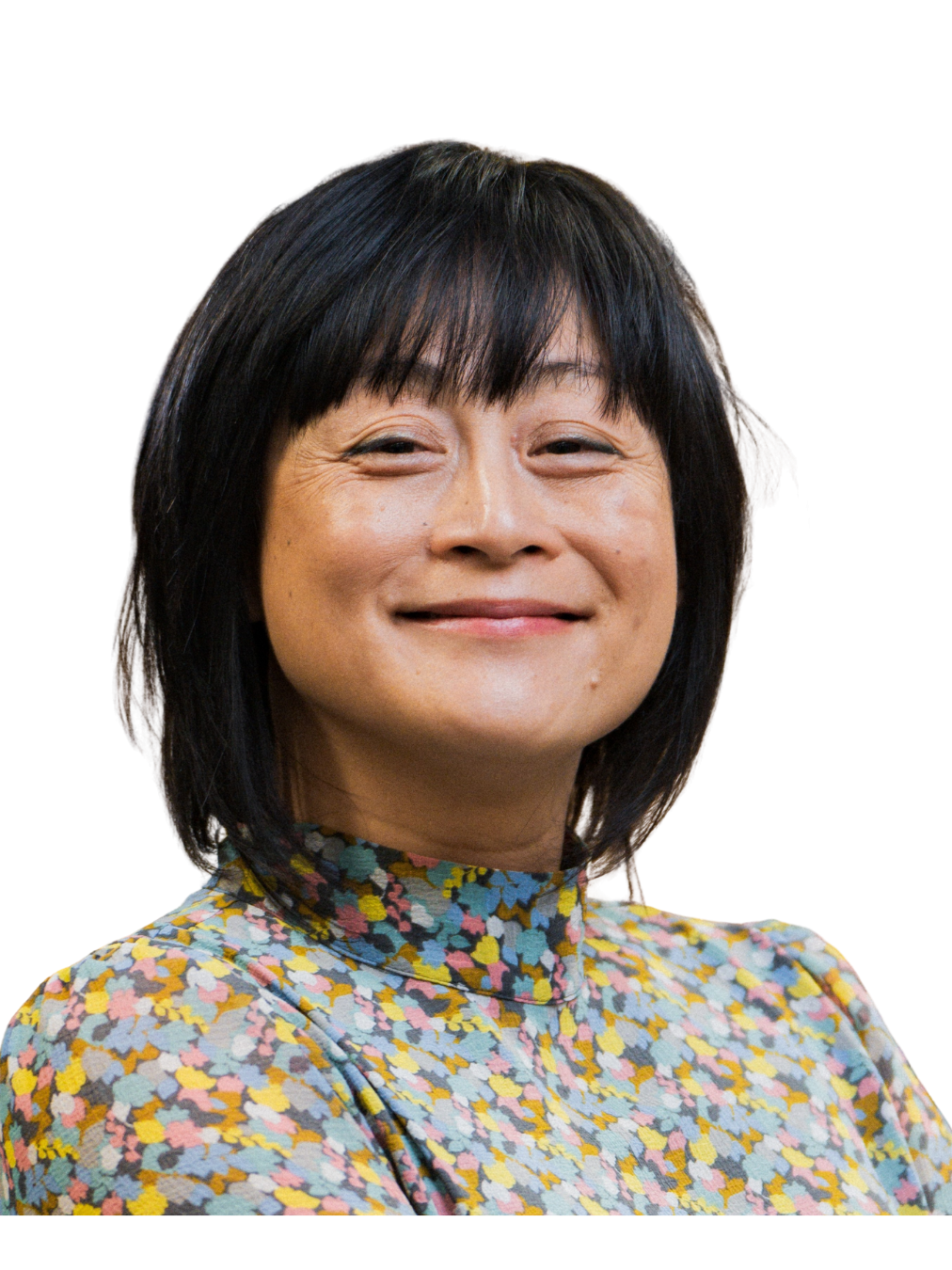
Thanh Quan-Nicholls
Innovation Manager at Future Space Bristol
How did you first get into tech/innovation?
I didn’t start my career thinking I’d work in tech, I actually began in policy, research and economic development. But I was always interested in how we create opportunities for people and places to thrive. Over time, I found myself increasingly drawn to innovation, particularly where technology intersects with creativity, business and social impact. Working in local government, I led on digital and creative industries, which gave me my first real exposure to the sector. From there, I moved into the startup and coworking world, and that’s where things really clicked. I loved the energy, the pace, and the sense of possibility. Since then, my career has evolved around supporting innovation including helping start-ups grow, building partnerships with universities and creating ecosystems where ideas can flourish.
What did your career path look like before landing your current role?
My career has been anything but linear, and I think that’s been a real advantage. I started in central and local government, working on regeneration, policy and economic development programmes. That gave me a strong foundation in understanding systems, funding and how to deliver large-scale change.
I then moved into the start-up world, helping to grow coworking spaces and supporting entrepreneurial communities. That was a big shift: from structured environments to something much more fast-paced and people-driven.
Alongside that, I’ve worked in consultancy, higher education and innovation programmes, particularly around digital innovation, knowledge exchange and supporting businesses to access funding and partnerships. All of these experiences have led me to my current role, where I bring those different worlds together to support start-ups and build meaningful collaborations.
What does your role involve day-to-day?
No two days are the same, which is one of the things I love most about my role. A big part of my work involves supporting innovative start-ups, through one-to-one coaching, helping them refine their ideas, access funding, and connect with the right people.
I also spend a lot of time building bridges, between businesses, universities and the wider ecosystem. That might involve developing new programmes, organising events, or creating opportunities for collaboration.
There’s also a strategic side, looking at how we grow the ecosystem, measure impact, and create meaningful opportunities for students, researchers and entrepreneurs. Ultimately, my role is about helping ideas turn into real-world impact.
What challenges have you faced working in tech, and how did you overcome them?
One of the biggest challenges has been not coming from a traditional tech background. Early on, I sometimes questioned whether I belonged in the space. Over time, I realised that tech isn’t just about coding, it’s about people, ideas, collaboration and problem-solving. The skills I’d built in policy, partnership working and programme delivery were not only relevant, but really valuable.
I’ve also seen first-hand the gender imbalance in the sector. That’s something I’ve actively worked to address through Women’s Tech Hub and through my day-to-day work, by creating supportive networks and championing diverse voices.
I think a big part of overcoming challenges has been building strong relationships, staying curious, and being willing to keep learning.
Was there a moment or opportunity that helped you break into the industry?
There wasn’t a single “big break”, it was more a series of moments where I said yes to opportunities that felt a bit outside my comfort zone. One key turning point was moving into the coworking and start-up space. That environment exposed me to founders, new technologies and a very different way of working. It helped me build confidence in navigating the tech ecosystem, even though I didn’t come from a tech background. Co-founding Women’s Tech Hub was also a defining moment. It gave me a platform to not only support other women, but to really understand the barriers people face in entering and staying in tech, and to actively do something about it.
What advice would you give to women who want to work in tech or innovation?
You don’t need to fit a specific mould to work in tech. There are so many roles in the sector beyond technical ones, whether that’s in innovation, operations, community building, design or strategy.
My advice would be to stay curious and open to learning. Be proactive in finding your people – networks and communities make a huge difference.
And most importantly, recognise the value of your existing skills. Tech needs diverse perspectives, and your background is an asset, not a barrier.
What do you love about working in the South West tech ecosystem?
The South West has such a strong sense of community and collaboration, which makes it a really special place to work in tech and innovation. There’s a real willingness here to support each other, share knowledge and build things together, collaborating between start-ups, universities and public sector organisations. It’s also incredibly diverse, with strengths across creative industries, digital, deep tech and social innovation. For me, it’s the combination of ambition and openness that makes the ecosystem so powerful, and it’s something I feel really proud to be part of.
Connect with Thanh!
Follow Thanh’s journey and connect with her on LinkedIn here