$60 million.
That is the total prize pool at the upcoming Esports World Cup.
To those close to the industry, it’s hardly a surprise; it’s one of the fastest-growing sports globally. But despite a rich community and the ability to deliver transferable, life-long skills, esports still battles against stigma and generational resistance.
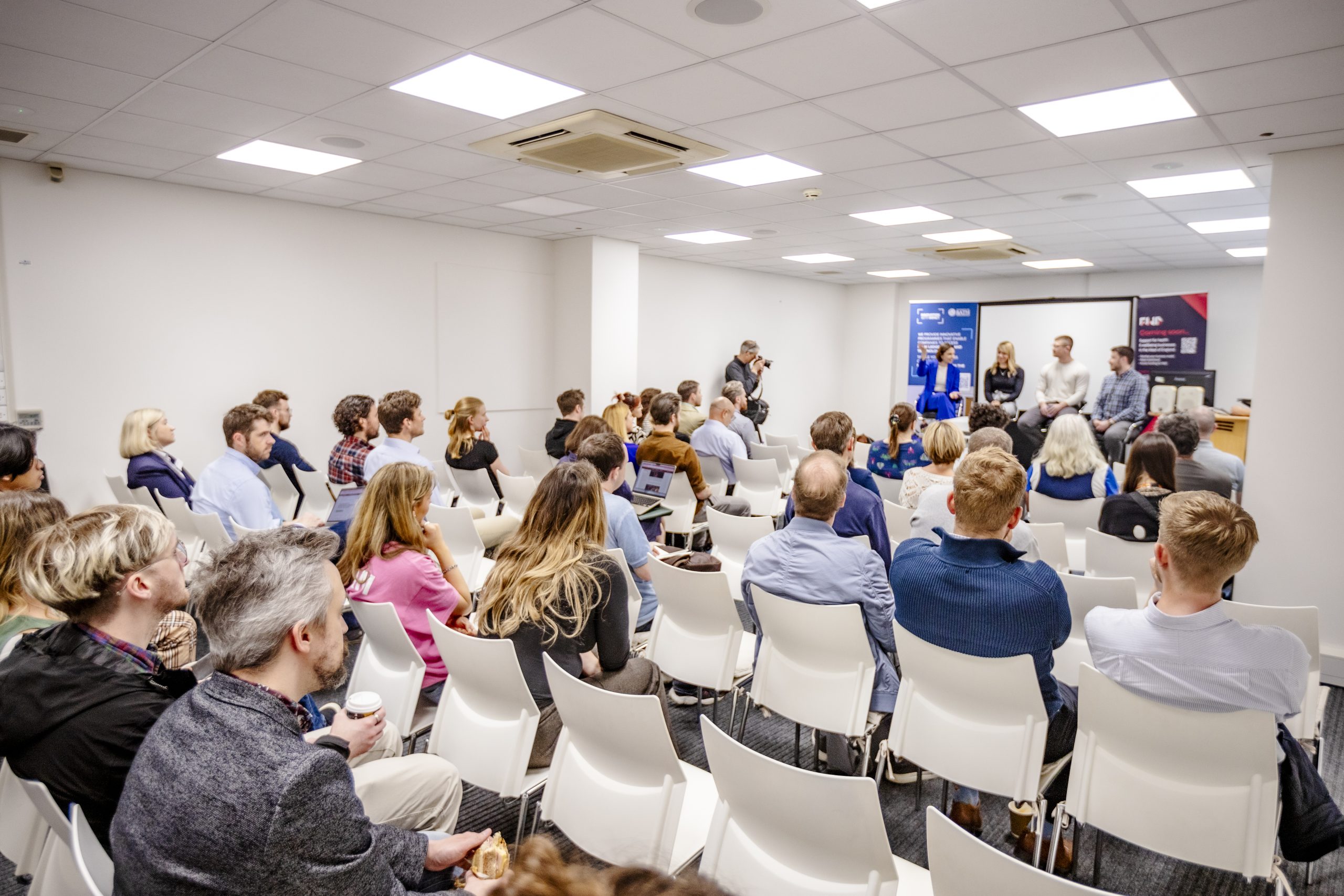
We set out to unpick this fascinating industry at the Bath Digital Festival this year. Our panel delved into how young people are adopting the industry and questioned how the world seems to be playing catch up with this incredibly fast moving space.
Tom Dore is the Vice President at the British Esports Federation, Ryan Horton, better known as “RyanCentral”, is a VALORANT Youtuber but also an analyst for the pro esports scene with over 366k subscribers, and Hannah Thandi teaches Esports at New College Swindon. They are our guides in this dynamic and influential community.
Inclusive Outsiders
The strength of identity around the esports community is evident. You get a sense of its proud outsider status, no doubt driven in part by how it is perceived. Ryan commented on how one journalist reported on the world-first achievement of 13-year-old Willis Gibson’s completion of Tetris with a condescending, “Maybe they should practice going outside more.”
This attitude, allied with the youthful nature of many community members, has no doubt driven esports’ independence, which has led many players to recoil at the idea of being governed. In a rapidly expanding, but still nascent industry, this position is not surprising.
Amazing things are happening; things that should make the wider world take notice and recognise the importance that esports plays in the lives of millions around the world.
This is an achievable goal; esports is fundamentally an accessible space. “Lots of sports have a high cost to take part in”, Ryan notes, but esports often just requires downloading a game to a phone. There’s no travel, limited cost and far fewer barriers in terms of accessibility. Hannah sees this on a day-to-day basis. Esports and gaming provide an “accessible route to communication, which is easier than in real life.” Students gather together to “solve problems and tackle challenges in a much more comfortable way.”
Hannah expressed her delight in seeing the healthy vulnerability that esports fosters in her son, who was more than happy to say to his friends “I’m stuck, I’m lost, I don’t know how to do this.” This openness feels far healthier than some examples of behaviour embodied or emulated by a selection of men. Gaming can become a safe space, especially if younger people are monitored and only gaming with people they know. At the college, students will even come in on days off to use the facilities.
Skills for life, for all
Many of Hannah’s students aren’t seeking to be professional gamers. They are looking at event management or promotions; with units in social media and streaming supporting this. Real skills are being developed in structured learning, like that at New College Swindon, and in the gaming world itself. Ryan reflected on his time playing World of Warcraft and how he “learnt how to apply for jobs in the world through his experience applying for guilds” within the game. For the uninitiated, guilds are associations of players formed to make raiding within the game easier and more rewarding.
And these skills aren’t only absorbed by those you most think of when describing esports athletes. Tom commented on how whilst there are “stereotypical tech geeks,” there are also “very traditional sports types” who play esports as one of many sports they excel at. It is a broad and diverse community, but it’s not one without its problems. Ryan tells us how there are well-known issues resulting in “women and minority genders getting their circuit because sexism and online abuse is a key problem.”
A Place for Parents
This is where Tom’s work comes into play in partnering with the NSPCC looking at child protection in esports. They’re creating guidelines to help parents navigate the dangers of a world opaque to them, but also to help them better understand their children’s passions and how to engage with them effectively, no doubt whilst still allowing them to parent.
Tom speaks of how parents “Wouldn’t pull kids out of a football match or band practice halfway through” but that’s what they’re doing with esports. “A game of Fortnite lasts 20-25 minutes, Rocket League’s matches last 5 minutes”. So understanding this can allow parents to set boundaries, “You’re down to your last 15 minutes of Fortnite, don’t start another game”.
Tom reflected on how he used to watch TV with his parents and now plays Fortnite with his kids, “Video games are a part of life” and that “Just because it’s different, doesn’t mean it’s wrong.” He wants people to look past it being video games and “look at the skills they are developing.”
Virtual Sports, Real Community
This is a constant theme that emerges throughout the discussion. Esports aren’t just a serious option as a career and industry, they are developing skills that are applicable throughout life, in an inclusive way. On top of that, they are providing community and friendships, they are creating the opportunity for celebration and success.
The business model for many publishers is to get people from watching esports, whether that be in arenas with 30,000 other fans or online viewing people like Ryan, to playing esports. Typical capitalist ploy you may think, and perhaps it is, but it is in the playing of esports that these skills develop and last, real friendships are made.
Tom happily mentions someone he knows going to the wedding of a person they met through esports. The wedding was the first time the two friends had ever been in the same room together. It may seem a slightly bizarre and alien concept to those non-digital natives who haven’t grown up with this, but it is an increasingly new normal.
Hannah, who spends a great deal of time with Gen Z, sees this new world a daily basis. She sees “Students leading, trying to pull parents with them”. She sees these “kids advocate for themselves, speak up and articulate themselves better than us”. She believes digital communication, such as the Discord Team Speak often used in games, might be the reason for this. As well as “having the world’s knowledge at your fingertips” for your whole life.
Changing Attitudes and Overcoming Barriers
The generational divide exists and will no doubt continue until the esports kids of today become the parents of tomorrow. Ryan who is, by every measure, very successful at what he does, still met reticence from his family when he started. His dad was against his Overwatch YouTube, “Until he saw the cheques”. But the current of esports and gaming is becoming increasingly difficult to fight against.
Ryan spoke on how Fallout 4 is “the most popular as it’s ever been” due to the TV series. The Queens Gambit did similar things for Chess.com; gaming and esports are an ever growing presence. Tom tells us, “Gaming is bigger than the music and filming industry combined”. But despite its economic and cultural significanc, Tom feels the current government is “not supportive of it, Labour seems to understand it more.”
There are other barriers around kit, affordable educational licenses for games, and colleges and other educational spaces being tied to less than suitable legacy software hampering in game communication. Interestingly, the schools embracing esports and gaming are state schools and further education colleges, with very few independents following suit. This again is a strong nod towards esports inclusiveness.
After hearing such passionate evangelists for esports as Hannah, Ryan and Tom it’s hard not to walk away feeling inspired. Ina world where people find it easy to look down on younger people and dismiss their hobbies, passions and careers, one cannot argue with the qualitative and quantitative evidence that esports is serious, commercially and socially.
Where once parents may have looked at time spent gaming as wasted, they can look for ways to engage and help their children develop life skills. It may lead to a career, it may not, that’s rarely stopped parents from fanning their son or daughters passion to play football though.
“We saw one single esports game have 1.3 million views” in the last 12 months Ryan tells the crowd. These aren’t small figures and this growing space can be an inclusive space where young people can learn teamwork, communication, problem-solving, and vulnerability. And maybe also help their parents polish up on some of those skills when they choose to game together.