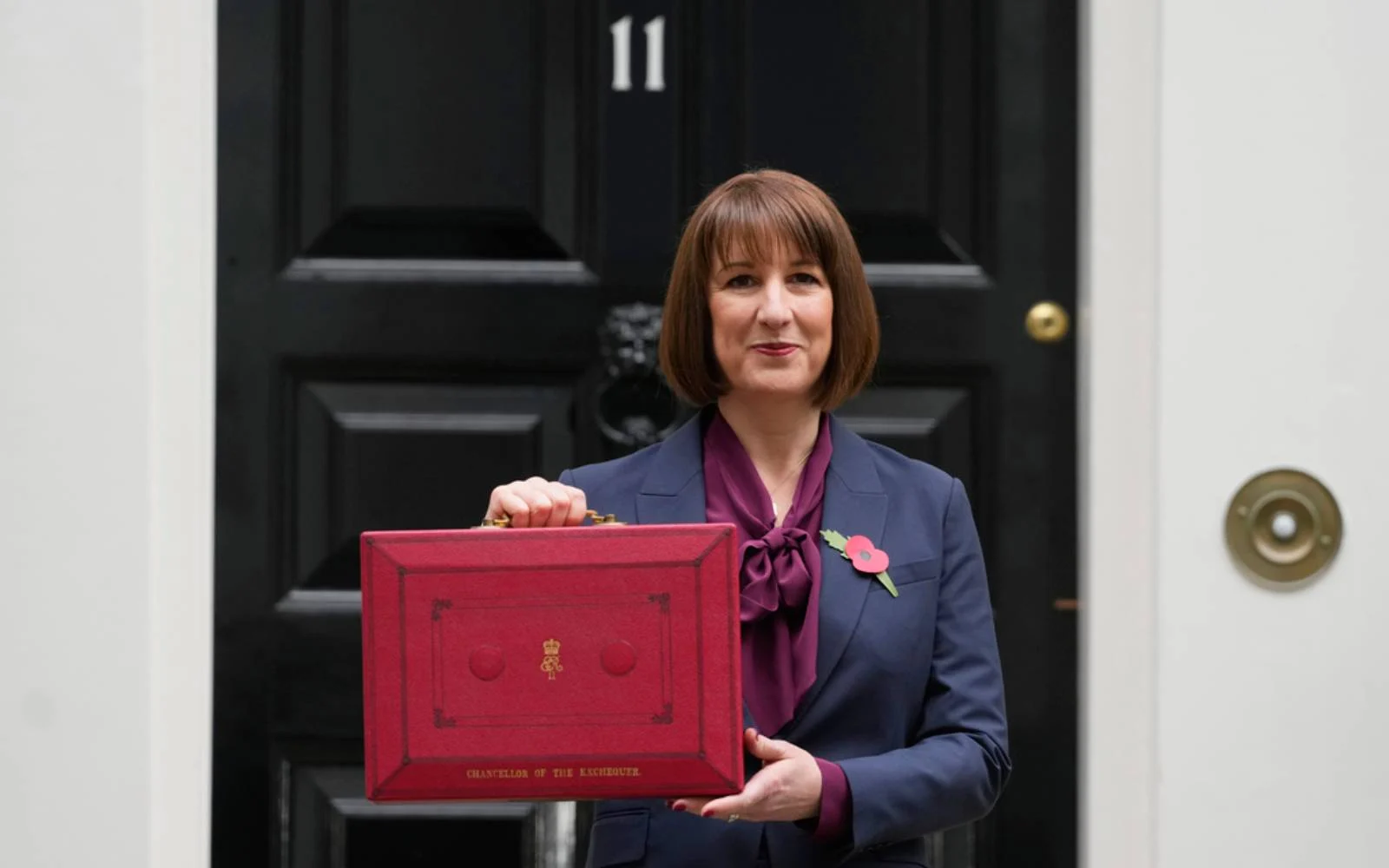
So, here it is—the first Labour Budget in over a decade. In recent weeks, there’s been huge with debate and concerns from founders and the wider startup community. Now we have the details, it’s a mixed bag: a £40bn tax hike that impacts business, but not as dramatically as some predicted. There are also signs the government has listened to certain concerns.
Beyond tax hikes, Rachel Reeves outlined a big vision for investment and reform, with new fiscal rules set to unlock capital. How this translates into tangible growth remains to be seen, but we’ll be watching closely.
National Insurance (NICs)
For startups, the 1.2% increase to Employer NICs, now up to 15%, hits hardest. Lowering the threshold to £5,000 will add a burden on hiring. For businesses already stretched, this will mean tough decisions on salaries and hiring. Our community—especially those already tight on cash—will feel the pinch.
Capital Gains Tax (CGT)
CGT increases—now at 18% and 24% for lower and higher rates—were expected, but the but it did avoid full equalisation with income tax which had been floated.. While this won’t thrill established founders and investors, it’s a far cry from the potential worst-case scenario.
Business Asset Disposal Relief (BADR)
The government’s kept BADR intact, despite rumoured cuts, though it will increase to 18% over the next few years. This change will impact later-stage founders considering an exit. For early-stage founders, BADR remains a distant concept, and these tweaks are unlikely to shift that reality. People start businesses to solve a problem and I’ve yet to meet a founder who thinks about these tax relief at the beginning.
R&D and other tax Commitments
Keeping the £20.4 billion R&D budget through 2025-26 offers crucial continuity. A fresh announcement on a consultation for “advanced clearances” in R&D tax relief could reduce uncertainty—a positive step.
We asked Sara Brigden, MD at ForrestBrown, who said : “Confirmation that the government will maintain current rates of R&D tax relief reflected the Chancellor’s overall theme of restoring stability. Following several years of piecemeal change to R&D tax incentives, this is welcome news – although it’s worth remembering it locks in the previous government’s rate reductions for SMEs.”
Sara also pointed out, “Full expensing for capital expenditure and Patent Box relief have been maintained, with significant grant funding announced in sectors like automotive, aerospace, and life sciences. Taken together, these measures provide some much-needed certainty for businesses.”
Final Thoughts
In all, it could have been worse for the our community, especially compared to the gloomy forecasts we saw in recent weeks. But this is only the first step, and with new policies on the horizon, next year will reveal if the government’s approach truly aligns with the needs of entrepreneurs and recognises the opportunity right across the UK.