Week 1 of 52 — Women in Tech Series
Welcome to the start of our Women in Tech series. Over the next 52 weeks, we’ll spotlight inspiring women shaping the technology industry — sharing their stories, achievements, and insights.
From founders and engineers to designers, researchers, and community leaders, this series celebrates the diverse voices driving innovation and building the future of tech.
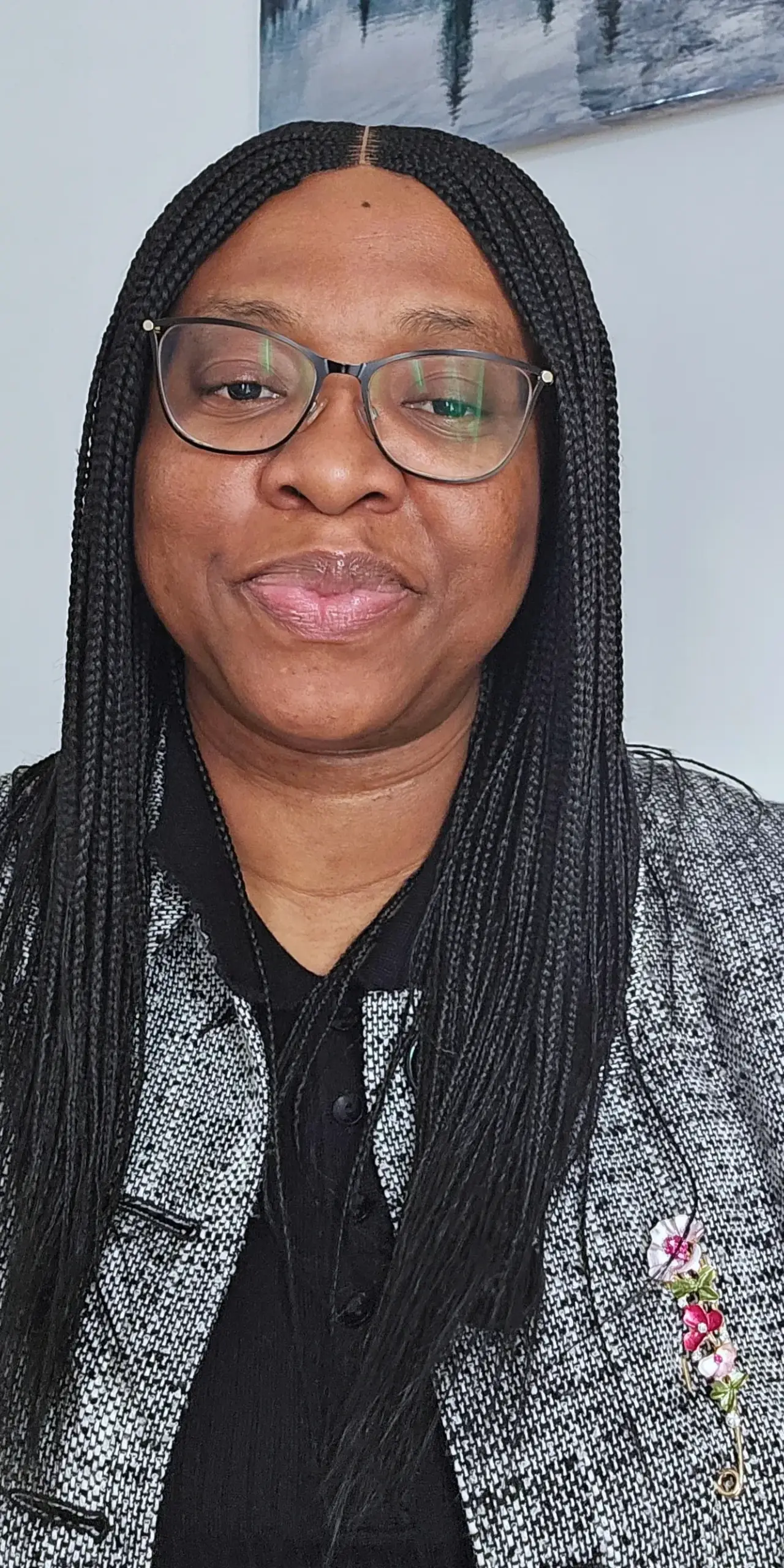
Oluchi Imoh
Co-founder/Product Manager of DoValley Ltd
How did you first get into tech/innovation?
My journey into tech didn’t begin with coding; it began with curiosity.
I’ve always been interested in how ideas become systems that solve real problems. As a digital entrepreneur, I spent a lot of time online building communities, sharing knowledge, and creating educational content.
Over time, I started noticing patterns — people struggling with the same problems, the same gaps in access, and the same need for better tools. That curiosity led me deeper into the world behind the platforms we use every day.
I became fascinated with how products are designed, how technology can scale an idea, and how the right solution can reach thousands of people at once. Eventually, I moved from simply using digital platforms to thinking about how to build better ones.
That transition into product management felt natural because it sits at the intersection of people, ideas, and technology. It’s less about writing code and more about asking the right questions: What problem are we solving? Who are we building for? And how do we make the solution simple, useful, and meaningful?
Tech wasn’t the destination for me; it was the bridge. Once I reframed innovation as simply finding a better way to serve people, the leap into tech felt more like a necessity than a career pivot.
What did your career path look like before landing your current role?
My background was definitely non-linear and that has turned out to be one of my greatest assets.
Before stepping into the tech ecosystem, my career was shaped by entrepreneurship and education. I built a creative business and a strong online presence where I shared knowledge, taught skills, and mentored others – I still do all of these.
Those experiences taught me a lot about building something from the ground up—understanding your audience, creating value, and staying resilient when things don’t go according to plan.
Running a business also forces you to think strategically. You start asking questions about systems, scalability, and impact.
That mindset translated naturally into technology because tech products are essentially systems designed to solve problems at scale.
So when I eventually stepped into the role of co-founder and product manager, I realised many of the skills I had built outside of tech such as communication, strategy, community building, and problem solving were incredibly relevant to my success in the tech industry.
Was there a moment or opportunity that helped you break into the industry?
There wasn’t a single dramatic moment; it was more like a series of small doors opening because I kept knocking. One of the biggest turning points was deciding to move from being a consumer of technology to being part of the conversation around building it. I started learning about digital products, exploring how startups operate, and collaborating with people already working in tech.
Co-founding a product idea was a pivotal step. It pushed me from theory into practice. Suddenly, I wasn’t just discussing idea, I was helping shape them, testing them with users, and learning how technology turns vision into something tangible. That experience showed me that you don’t have to wait for permission to enter the tech industry. Sometimes the path in is simply deciding to build something that matters.
What does your role involve day-to-day?
As a Product Manager and co-founder, my role sits at the intersection of people, ideas, and execution.
On a typical day, I’m thinking about three main things: the people we’re building for, the problem we’re solving, and the simplest way to deliver value, one that doesn’t feel overwhelming.
Some days involve working with designers and developers to shape features and improve the product experience.
Other days are spent researching users, analysing feedback, or refining the overall direction of the product.
There’s also a strategic layer which involves thinking about growth, partnerships, and how the product fits into a bigger vision.
At its core, product management is about clarity.
My job is to make sure everyone involved understands the problem we’re solving and stays aligned as we build the solution.
What challenges have you faced working in tech, and how did you overcome them?
One of the biggest challenges when entering the tech space especially from a non-traditional, non-tech background is dealing with the perception that you don’t belong, that is imposter syndrome.
Tech can sometimes feel intimidating because of the language people use, the titles they bear, the reference to the roles as technical, or the assumption that everyone followed the same path into the industry.
But the truth is, the tech ecosystem needs diverse perspectives. Some of the most valuable insights come from people who approach problems differently.
For me, overcoming that challenge meant focusing on learning rather than comparison and staying true to myself.
I remained curious, asked questions, built relationships, and leaned into the strengths I already had which include communication, creativity, and strategic thinking.
Confidence grows through contribution.
The more you build, collaborate, and share ideas, the more you realise your voice has value in the room and the room has no choice than to listen.
What advice would you give to women who want to work in tech or innovation?
Your unique perspective is your superpower, do not let anyone convince you to dilute it to fit a traditional mold.
Tech is ultimately about building tools for humanity, and humanity is diverse. If the people building the tools all think the same, look the same, and have the same backgrounds, the products will inherently be flawed.
My advice is to fall in love with the problem, not the technology. If you don’t know how to do something, ask. Build your network ruthlessly, find mentors who will speak your name in rooms you aren’t in yet, and remember that empathy is just as critical to innovation as any line of code.
Secondly, don’t wait until you feel fully ready before stepping forward. Growth rarely happens in comfort zones.
Technology is not just about coding; it’s about solving problems. That means there is space for many kinds of skills like creativity, empathy, strategy, storytelling, leadership. Stay curious, keep learning, and build things whenever you can. Even small projects can open doors because they demonstrate initiative and vision.
And perhaps most importantly, build community. The tech ecosystem becomes far more powerful and far more welcoming when women support, collaborate with, and amplify each other.
And I learnt this from a Women in Data (WiD) Lunch and Learn session tagged “Overcome the Constrictive Data and AI Talent Market”, stop saying you’re not technical or your skills are not technical. As long as you are able to sit in front of a computer and use that for your work and the processes involved, that’s a technical skill.
What do you love about working in the South West tech ecosystem?
What I love most is the sense of possibility.
The South West has a growing community of innovators, founders, and creatives who are building meaningful solutions across different industries. There’s a collaborative spirit here. People are open to sharing ideas, supporting new ventures, and creating spaces where innovation can thrive.
Being part of that ecosystem means you’re not just building products, you’re contributing to a broader movement that’s shaping the future of technology in the region.
And that’s exciting, because innovation doesn’t only happen in big global tech hubs. It can grow anywhere people are willing to imagine better solutions and work together to build them.
Connect with Oluchi!
Follow Oluchi’s journey and connect with her on LinkedIn here